
Introduction to Biotechnology:
Biotechnology can be defined as the "use of living organisms or their processes and products for the welfare of mankind".
Early biotechnologists have been using Yeast, to raise bread dough and to prepare alcoholic drinks by alcoholic fermentation and using specific bacteria to make yogurt, butter and cheese by lactic acid fermentation. Leather tanning is a prehistoric biotechnological industry which also involve the use of multiple bacteria and other pathogens where people have been preparing the leather even without knowing the underlying mechanism.
History of Biotechnology:
The history of biotechnology is found parallel to the civilization history of man. Use of biotechnology can be traced back to the earliest human society. Human realized that, to get good and continuous food they should plant their own crops, breed and domesticate their own animals. Study of biotechnology began when human discovered to produce yogurt and cheese from fermented milk. Early human made wine or beer from fermented juices of fruit, sugarcane and malted barley. Since early times of civilization, human are naturally acting as unqualified biotechnologists by baking soft, spongy and tasty bread and bakery items. The first farmer who grafted a more beneficial plant over the other less beneficial plants to increase his yield and quality was a performing biotechnologist.
Rapidly growing human population, led the human to develop new animals with dream characteristics. Scientists planned to grow more nutritive and naturally pest-resistant crops. Researchers hoped to develop unlimited and purest sources of human medicines. Human found the natural ways to remove pollutants form environment and to increase the fertility of the soil and kill insect pest.
Over the last few decades, advancement in microscopy and fundamental discoveries of biochemical processes in the cells have given rise to modern biotechnology. Now biotechnologists have much better understanding to select and use so many new microorganisms and their cell products for human welfare.
Applications and outcome of modern biotechnology are far advanced than traditional methods like fermentation and selective breeding. Modern biotechnology techniques involve genetic engineering, cell fusion, genetically modified organisms, single cell proteins, cell therapies, gene therapies and Nano-biotechnology.
Modern Biotechnology is now one of the fastest growing areas of science, hence this century has rightly been termed as Century of Biology. In view of these developments, Biotechnology has been included among the six priority areas of Science and Technology by the National Commission of Science & Technology of Pakistan.
Food Biotechnology Related to Advanced Agriculture in Pakistan:
Pakistan is the 5th most populated country in the world having population of over 240 million with an annual growth rate of 2.55%. Rural population is directly dependant on agriculture whereas, increasing trend of urbanization has multiplied the pressure for production of extra food from continuously shrinking agricultural land. To feed this huge population, supply of more, continuous and nutrient enriched food is a huge challenge for the agriculture and the national economy of Pakistan.
The importance and crucial role of food biotechnology is obvious to meet the challenges of food security, malnutrition and environmental hazards related to agriculture. In food Biotechnology, scientists modify the genes of our food sources including domestic animals, plants and microorganisms for production new species. Food biotechnology involves the use of scientific techniques and a wide range of applications that improve the food production, quality, nutritional value, processing, preservation and agriculture sustainability.
Academic institutions and research organizations in Pakistan like NIBGE, NIAB, NCEMB, KIBGE and ASAB are engaged in food biotechnology applied research, to address local agricultural and food challenges. In last three decades, food biotechnology has obviously advanced the agriculture in Pakistan by introducing various techniques and technologies that improve crop yield, nutritional value, resistance to pests and tolerance to drought and salt.
Examples of role of food biotechnology in advancement of agriculture includes:
Genetically Modified (GM) Crops:
GM crops including, wheat, rice, maize, sugarcane have been developed to tolerate harsh environmental conditions and pest resistance, thus increasing yields.
| No. | GM varieties | Characteristics |
|---|---|---|
| 1. | Bt cotton (Bt MON531 – Cry1Ac) | Resistant against Pests e.g. viruses, cotton flies and bollworms |
| 2. | Sugarcane, with Cry1Ac + cry2Ab genes of bacteria | Resistant against Pest e.g. sugarcane top borer (insect) |
| 3. | Wheat, sugarcane and potatoes with AVP1 gene of bacteria | Grow well in phosphate deficient soil and resistant to drought, heat and frost |
| 4. | Wheat with CP4 – epsps gene of bacteria | Resistant to herbicide |
Genetically Modified (GM) Crops:
GM crops including, wheat, rice, maize, sugarcane have been developed to tolerate harsh environmental conditions and pest resistance, thus increasing yields.
- In Pakistan, Bt cotton (BT derived from Bacillus thuringiensis) is a prominent example in which 'cry' gene responsible for the pest resistance is obtained from a bacterium Bacillus thuringiensis and transferred to cotton plant, Bt cotton produces its own toxic chemicals to kill the pests including viruses, cotton flies and bollworms, hence there is less need for chemical pesticides and increased productivity of cotton, seed oil and cotton seed cakes (cattle & fish fodder).
- GM variety of sugarcane, is resistant against sugarcane top borer (pest insect). Sugar yield of this GM variety of sugarcane is significantly higher than natural types.
- Similarly, GM wheat, sugarcane and potatoes are well grown in phosphate deficient soil thus need of fertilizer is reduced significantly with higher production.
- GM varieties of wheat, sugarcane and potatoes developed in Pakistan are also drought, heat and frost resistant.
- Another GM wheat variety is herbicide resistant and grown on large areas of Pakistan.
- Genetically modified tomatoes and chilies are also been developed and grown in Pakistan.
Improved Nutritional Content:
Biotechnology has also enabled the enrichment of nutritional content in food crops by the process called bio-fortification. By this technique biologists have succeeded to increase the levels of essential nutrients including Vitamin A, iron and zinc in rice, maize and wheat which are staple crops of Pakistan. Biotechnologists of Pakistan have successfully prepared and released for farming, five varieties of bio-fortified zinc wheat, which include:
- Zincol 2016
- Akbar 2019
- Nawab 2021q
- Tarnab Rehbar
- Tarnab Gandum-1
Bio-fortified varieties of wheat contain about 40% extra zinc than other natural varieties and help to fulfil the nutrient deficiencies among the Pakistani population. These varieties also have other desirable traits for farmers, such as high yield and resistance to rust diseases.
Disease Resistance food crops:
Biotechnology has facilitated the development of crops resistant to diseases that commonly affect crops in Pakistan. For instance, varieties of wheat resistant to wheat rust have been developed through biotechnological methods, ensuring higher yields and better food security. Efforts are being made to identify rust resistance genes and transform common varieties of wheat (Seher 2006, Punjab-11) and partial success has been achieved. This would surly improve wheat yield in near future.
Drought and Salinity Tolerance:
Rain pattern in Pakistan is not smooth so floods and drought both extreme challenges are faced by Pakistan resulting water scarcity, salinity and water logging. Biotechnologist have focused on developing crops that can grow well under these such conditions. Drought and salt tolerant varieties of wheat and maize have been developed to ensure stable high yields despite irregular rainfall patterns.
Improved Livestock Productivity:
Biotechnology has also played positive role in improvement of livestock farming in Pakistan. To boost the livestock productivity and improved quality of dairy and meat products, different techniques have been introduced including embryo transfer, selection, reproduction for hybrid varieties of buffaloes and cows and artificial insemination to develop of cattle with desirable genetic traits. Disease resistant breeds of dairy and poultry are being developed locally for healthy and sufficient supplies. Collectively, these advancements will help in advancement of agricultural output and improved livelihoods in rural communities of Pakistan.
Food Processing:
After production of quality food, it is greatly important to preserve and store food for continuous supply throughout the year and for export to other countries. To improve food safety, enhance nutritional content, extend storage life, convert into ready to use foods and packaging multiple biotechnological processes are applied. In food processing industries Enzymes, probiotics and other biotechnological tools are utilized for transforming agricultural products into useable food, or one form of food into another, it can include primary activities like grading, slicing or freezing and secondary activities include packaging and pasteurization to create safe foods for consumption.
Generally food processing involves following categories:
Food preservation:
Modern methods like canning, refrigeration irradiation and pasteurization as well as traditional methods like drying, smoking, salting, syrup dipping and fermentation.
Food preparation:
This includes grinding grain into flour, cooking, mixing different foods.
Food safety:
This is the main focus of food processing.
Value-added processing:
This includes the development of protein, vitamin & mineral-rich foods and inclusion of food additives, aroma, food colours etc.
Biological Pest Control:
Biological control methods have been developed using biotechnology to manage pests and diseases in crops for more sustainably. Viruses, bacteria and insects naturally growing on crops are genetically modified to develop into more farmer friendly for protection of crops. This also includes biotechnologically synthesis of bio-pesticides derived from natural sources to minimize the environmental hazards compared to more toxic chemical pesticides.
Medical Biotechnology in Advancement of Healthcare in Diabetes:
Use of living cells and organisms for the synthesis of diagnostic and pharmaceutical products used in treatment of various diseases is termed as Medical Biotechnology. Medical biotechnology has significantly advanced healthcare to manage the diabetes and cancer through continuously improving the treatments and diagnostic tools for these diseases.
Diabetes Diagnosis of Diabetes:
Diagnosis of type and level of disease is key step in its effective cure. Bio medical technology is being used for earlier, accurate and efficient diagnosis of diabetes
Following are some important contributions of biotechnology in diagnosis of diabetes:
Biosensors for glucose monitoring (glucose meters) have been developed by experimenting with genetically engineered organisms. Biosensors are used to measure blood glucose levels. The devices have electrodes which sense the level of enzymes in the blood that react with glucose. These devices generate an electrical signal proportional to glucose concentration per unit volume of blood.
Continuous glucose monitoring (CGM) devices have been developed which are the product of biotechnological innovation. These devices provide real-time data of blood glucose levels in a diabetic patients to manage their disease condition more effectively. Thus help in timely adjustments of insulin doses and dietary plans for patients.
Assays have been developed through biotechnology to measure HbA1c levels in blood. HbA1c test measures the amount of blood glucose attached to hemoglobin in RBCs. As RBCs generally live for about three months so, HbA1c levels reflect the average blood glucose levels over the past 2-3 months. This provides insights into long-term glucose control.
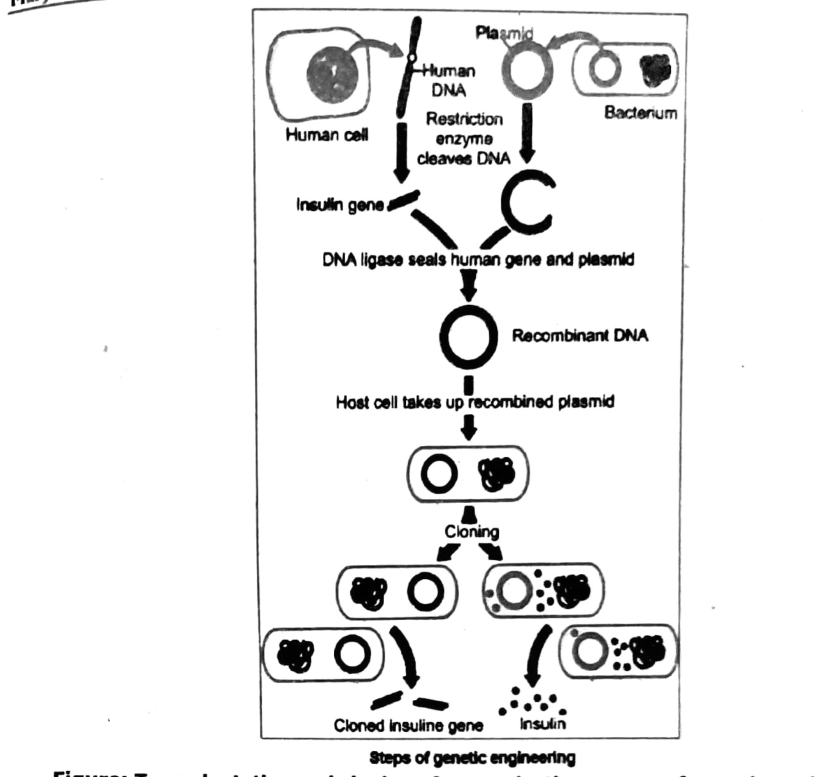
Figure: Transplantation and cloning of a gene by the process of genetic engineering
Role of CGM sensor and biomarker molecules in diabetes:
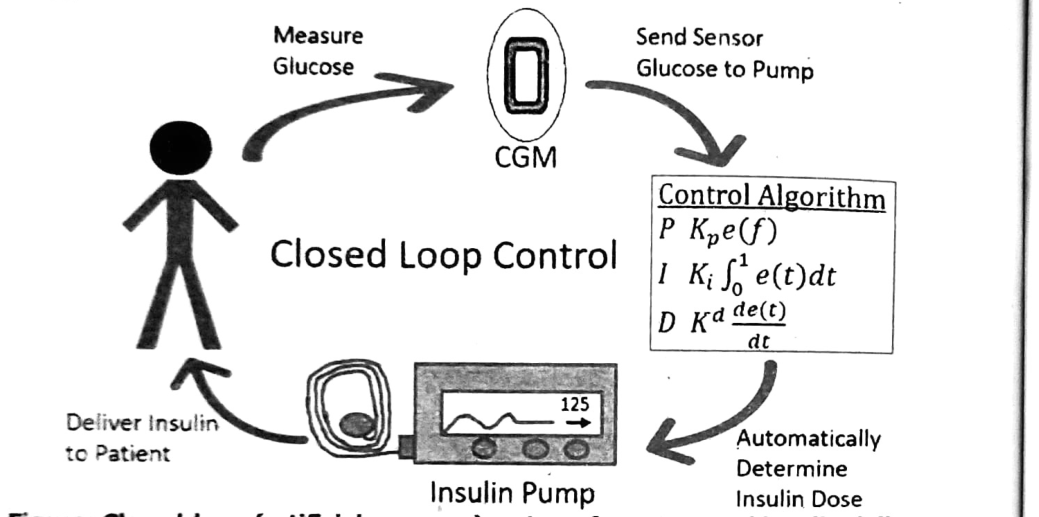
The CGM sensor checks blood sugar levels every few minutes and wirelessly sends the information to a digital controller. The controller, which can be a computer program in the pump or a mobile app, analyzes the data and instructs the insulin pump to deliver the right amount of insulin. The pump then delivers insulin when blood sugar levels rise above a target range.
Biomarker molecules (proteins or other metabolites) for diabetes have been identified by biotechnologists for diagnosis of disease in its early stages or monitoring the progression of disease.
Insulin Production:
Initially insulin for the use of diabetic patients have been derived from animal sources but now biotechnology has transformed insulin production by genetically modified bacteria, insulin is now chiefly produced through recombinant DNA technology. This method is reliable for large-scale production of human insulin with purity and best quality, ensuring a stable and safe supply for diabetic patients worldwide.
Artificial Pancreas:
Recent advancements in medical biotechnology is the development of the closed-loop insulin delivery systems. Patients with diabetes Type-1 can use this device.
Figure: Closed-loop (artificial pancreas) systems for automated insulin delivery
It is an insulin pump which release required amount of insulin after the detection of blood sugar levels. Insulin pump is connected to the monitor through a computer programme which continuously detect the blood sugar levels. This is also called artificial pancreas. These systems improve the glucose control and minimize complications.
Cancer:
Cancer is one of the most damaging and fatal disease all over the world and its prevalence is rising every year. Uncontrolled divisions of some the body cells is called tumor. All tumors are not termed as cancer. Tumor that remain small and localized in the tissue of its origin called benign tumor but when tumor grows aggressively to increase in size and spread to neighbouring tissues or organs, it is termed as malignant tumor. Spreading of tumor to other body tissues and organs is called Metastasis. Cancer is the group of diseases or abnormalities faced by the body due to aggressive growth and spreading malignant tumors.
Cancer may start almost in any organ of the human body. Most prevalent types of cancers include the cancers of lung, breast, prostate, oral and colorectal region. Cancer is the leading cause of deaths globally, with more than 10 million deaths in 2020 (Ali et al., 2022).
According to World Health Organization statistics, collected by International Agency for Research on Cancer (IARC) 185,748 new cancer cases and 118 631 deaths have been reported in Pakistan in 2022.
To manage and treat this drastically fatal disease, biotechnology has helped the human in many ways. Effective management and treatment of any type of cancer mainly depends upon following factors:
- Early and accurate diagnosis
- Result oriented Targeted therapies
- Patient Specific Medicine
- Continuous research for innovative tools of cancer treatment
Early and accurate diagnosis of cancer:
Diagnosis of cancer at initial stages is helpful for better and complete cure of cancer with least chances of reoccurrence. Biotechnology research involving different types of cancer cell lines has significantly helped oncologists for early and accurate detection of cancer type and stage of disease.
- Confirmation of roles of different genes and protein in proliferation and metastasis is carried out by research involving in-vitro growth of the cancer cell lines.
- Increase or decrease in level of specific proteins in the body of the suspected cancer patient is used as biomarkers. Over production of specific proteins in the human body is used as tumor marker for breast, ovarian and lung cancer. Over production of some proteins is related to aggressive nature of breast cancer. Higher levels of such protein can help in early diagnosis of cancer.
- Mutations in different genes may lead to initiation and progression of cancer. Mutations in some tumor suppressor genes are significantly associated with high cancers.
- Target genes are experimentally knockdown or knockout in cell lines to validate the involvement of specific genes in cancer.
- Experiments on animal models like rats and rabbits are also performed to confirm the role of specific genes and proteins markers in cancer.
- Research for screening of cancer patients for the mutations and abnormal levels of specific protein markers also help for early diagnosis of cancer.
- Biotechnologist have also developed the mechanism to get liquid biopsies instead of direct surgeries. Liquid biopsies are used to isolate and analyze circulating tumor cells, cell free DNA and other biomarkers in blood samples.
Result Oriented Targeted Therapies:
Treatment of cancer by chemotherapy and radiotherapy may have wide range of side effects on the normal body tissues. Biotechnological research using different cancer cell lines has developed the drugs or chemicals for targeted therapies for various types of cancer. Multiple anticancer chemicals have been designed which are absorbed mainly by cancer cells and normal body cells either do not absorb these chemicals or absorb in negligible quantities. Thus, these chemicals specifically target tumor cells and thus minimize the damage to healthy tissues of the body. Now, doses of targeted anticancer drugs can be safely raised for effective damage to cancer cells. Monoclonal antibodies and specifically designed molecule inhibit multiple enzymes of cell cycle thus block the specific pathways which are crucial for cancer cell growth. This research has led the oncologists to have improved treatment outcomes with minimal side effects.
Patient Specific Medicine:
Every cancer patients has different disease history and need specific medicine for treatment. Biotechnology has been playing an important role to decide precise medicine for cancer treatment. On the basis of their genetic makeup, tumor type, stage of cancer, age, gender and race, specific medicines and doses are decided for individual patients. This approach is continuously helping the oncologists to design the most effective therapies. Actions of newly designed medicines are investigated by experiments on cancel cell lines and animal models before applying to patients. Such patient specific precise plans, predictions and responses lead to greater success in treatment and long term disease free survival.
Continuous research for innovative tools of cancer treatment:
Continuous research involving Biotechnology is playing a critical role in improved cancer detection and treatment. Extensive research on cancer biotechnology is in progress to develop innovative tools of cancer treatment.
Innovative tools of cancer treatment:
- Liquid biopsy techniques to detect cancer through a simple blood test by identifying circulating tumor DNA (ctDNA), circulating tumor cells (CTCs) etc. as cancer-related biomarkers.
- Next-Generation Sequencing (NGS) to analyze cancer related genetic mutations in DNA for earlier detection of cancers and its types.
- Monoclonal Antibodies are being designed to specifically target cancer cells without harming healthy tissue e.g. Trastuzumab (Herceptin) for HER2 – positive breast cancer.
- Immunotherapy to engineer T – cells of patients to develop receptors for destroying cancer cells in certain blood cancers.
- Gene knockdown is carried out to reduce the expression of a specific gene temporarily by interfering the gene's mRNA. Thus production of protein, responsible for cancer progression is suppressed. The knockdown gene remains present in the genome so suppression can be reversed anytime.
- Gene knockout is carried out to completely inactivate or remove the gene from the genome. To get the complete and permanent loss of gene function, gene is either completely deleted or mutated in such a way that normal functional protein responsible for cancer progression is not produced.
- Animal models are experimentally used to verify the initial effects of gene mutations, gene knockdown or gene knockout. For this purpose rabbits, mouse or guinea pigs are used instead of direct humans as experimental animals in cancer research.
- Cancer Vaccines and Viruses: vaccines are also being developed by experimentally using cancer cells or antigens of cancer patients to stimulate their immune system. White blood cells of patients start producing antibodies against cancer cells. Similarly, Viruses are engineered to selectively infect and destroy cancer cells only and healthy cells are not affected.
- Nanoparticles are developed and used to deliver cancer drugs directly to specific cancer cells. By using nanoparticles, effectiveness of chemotherapy and radiation therapy is increased to get better cure.
- Use of artificial intelligence (AI) will be greatly helpful for researchers to investigate the outcome of ongoing researches from available data. AI is being used to identify the disease patterns, cancer diagnosis and treatment results in clinical trials. AI will be helpful to biotechnologists in designing novel combinations of vaccines, viruses and targeted therapies of cancer.
Potential Advantages of Genetic Editing with Examples in Medicine and Agriculture:
Genetic editing also called as genome editing. It is group of techniques used by genetic scientists to modify the DNA (genes) of an organism. Genetic editing is done by removing or adding the nucleotides in genes or altering the nucleotide sequence at specific positions of the genome.
Gene editing can be performed in two ways:
Ex-vivo/In-vitro Gene editing
Cells are removed from the body and grown in culture medium for applying any DNA editing technique.
In-vivo Gene editing
This method is much complicated where cells/tissue is not removed from body. Gene editing enzymes or proteins are injected into the body for altering the DNA sequence of specific body tissue.
Major genetic editing techniques include:
- CRISPR-Cas9:
CRISPR-Cas9 is the most commonly and specifically useful tool for genetic editing. Genetic scientists use CRISPR-Cas9 to modify the DNA of living organism. This technique, consists of a guide RNA and a Cas9 enzyme that cuts the DNA at the specific target site in DNA.
- TALENs (Transcription Activator-like Effector Nucleases:
TALENs is some similar to CRISPR. This technique use a unique protein to recognize specific sequence and a nuclease enzyme to cut the DNA.
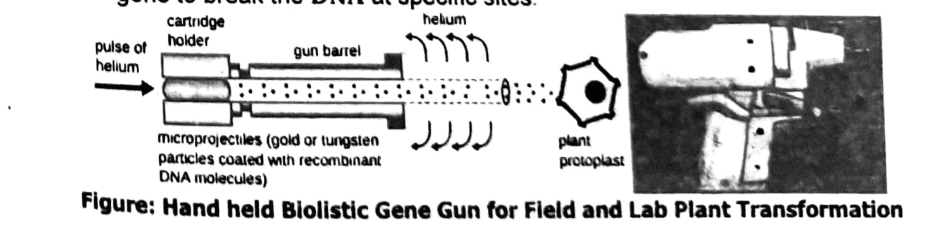
- Zinc-Finger Nucleases (ZFNs)
ZFNs uses DNA cutting enzymes which are specifically designed for each gene to break the DNA at specific sites.
Base Editing:
This technique is a modified form of CRISPR in which highly specific single nucleotide is changed the DNA without cutting the strands. One nucleotide base may be replaced to other e. g. A replaced by G or C is replaced by T.
Gene editing has multiple applications in genetic research especially related to medicine and agriculture. Research involving genetic editing has significant potential for the treatment of genetic diseases, improving crop yield and quality. Followings are some major advantages and their examples:
Medicine:
Managing genetic diseases:
Genetic editing is used to modify the genetic mutations causing genetic diseases for example; Thalassemia, Sickle cell anemia, Cystic fibrosis and Duchenne muscular dystrophy.
Drug Development and Preclinical Testing:
Genetic editing help the biotechnologist to develop more accurate disease models for testing new drugs. For example, human genes are inserted into mice to develop humanized mice. Then different doses of newly developed drugs are applied on model animal. Response of drug on humanized animals precisely guide the researchers about effectiveness of newly developed drugs against specific human disease. To check the effect of new drug on organisms with specific genetic defect, gene knockouts cell lines are used in drug testing.
Cancer Therapy:
Biotechnologists are using genetic editing to modify or knockout those genes which are involved in tumor growth and cancer progression. Genetic editing also being used to alter genes responsible for resistance to chemotherapy. This approach is helpful in developing more effective drugs that specifically target cancer cells and do not effect healthy cells.
Viral Resistance:
Genetic editing is being used to develop resistance against viral infections such as hepatitis and HIV. Genes producing host cell receptor proteins for viruses are modified to reduce the chances for viral infection and to improve the natural immune response. For example, editing of CCR5 gene in immune cells has been observed potentially effective to develop resistance to HIV infection rate.
Agriculture:
Improvement in Food crops:
Genetic editing is being used to modify the genomes of important food crops at a specific nucleotide sequences to develop desired traits in the modified plant varieties. Genetic editing useful in developing disease resistance, pest resistant and drought tolerant plants. This technique also useful in producing seeds and fruits enriched in nutrients and taste. For example, CRISPR-Cas9 technique has been used to edit genes in rice, maize and wheat to improve their yield and nutritional quality.
Improvement in Dairy livestock:
Genetic editing may be used to modify existing genes or insert new genes for the development of beneficial traits especially in dairy livestock. By this technique animals resistant to viral and bacterial diseases are produced. Modified breeds may increase meat and milk production in cattle to solve the problem of food shortage. Gene editing is also used to develop better acclimatization ability in cattle breeds to local environmental conditions. For example, modification in the myostatin gene in buffaloes may develop extra muscle mass.
Environmental friendliness:
Large amount of pesticides are sprayed to protect the food crops and fruit plants. Genetic editing may be helpful to reduce the need for pesticide use and for sustainable agriculture farming. For example, editing of specific genes in food crops develop pest resistance in plants. This practice will gradually decrease the dependence on heavy use pesticide for healthy crops, thus will reduce the environmental pollution and improve food safety naturally.
Bioethical limitations of gene editing:
Although genetic editing playing a significant role to address global challenges but it has also raised bioethical concerns. Bioethical concerns related to gene editing include compromised safety, unequal chances for humanity and unimaginable consequences. Responsible and regularized use of genetic editing is highly important for more benefits and minimum risks.
Benefits of Marine Biotechnology:
Marine biotechnology is simply application of biotechnology to marine organisms and is also known as blue biotechnology. It involves the study and use of marine organisms, compounds produced by them and beneficial applications in marine ecosystems. Marine biotechnology researches huge resources in biodiversity of oceans to develop useful products for human welfare in the field of medicine, agriculture, environmental protection and energy sources. Some applications include:
Discovery and development of new pharmaceutical drugs:
Marine biotechnologists have highlighted the marine flora and fauna that may be used to treat serious diseases such as cancer and leukemia. Marine bacteria living in deep sea are rich sources of distinct medicinal compounds. Many of such pharmaceuticals compounds may potentially be used as antibiotics, anti-inflammatory drugs and anticancer therapy potential. For example, a pain relieving drug derived from the venom of cone snail in Pacific Ocean is used for chronic severe pain. Similarly, Trabectedin is derived from a marine tunicate, is used to treat cancer.
Medicinal and Cosmetic Products from marine life:
Marine fish and algae produce omega-3 fatty acids in their bodies, which are beneficial for cardiovascular health and improved mental functioning. Marine biotechnologists are doing research to optimize the production and processing of high-quality omega-3 supplements. Marine organisms, particularly seaweed and algae are frequently used to prepare cosmetics and skincare compounds due to their moisturizing, anti-aging and antioxidant properties. Purified products obtained from marine extracts are commercially important in cosmetic industry. They are used in cosmetics due to their ability to minimize wrinkles, hydrate the skin and protection against UV light. A powerful antioxidant chemical Astaxanthin, obtained from marine micro-algae and shrimps, is used in skin allergy medicine for its anti-inflammatory role. Marine biotechnology play a role in development of vaccines to protect aquaculture species from viral diseases and improved productivity.
Improved aqua-feed formulation:
Marine biotechnology has advanced and optimize feed formulations for aquaculture species. Many seaweed and Algae are used to develop purified and concentrated feed for fishes, shrimps and octopus farming. Formulated feed is commercially used to optimize growth of delicious see food and minimize the environmental and disease impacts on them.
Marine Enzymes with unique properties:
Enzymes with unique level of stability needed for the harsh conditions of industrial processes, are extracted from marine organisms found in deep-sea hydrothermal vents. These enzymes remain functional in extreme temperatures, diverse range of pH and pressures. These thermostable enzymes are used in food processing, preparation of cosmetics and medicines. Some other marine enzymes, due to their environment friendly nature are used in detergents, polishing and in textile industry. For example, enzymes α-amylase, β-Agarase and Xylanase.
Genetically modified Aquaculture and Fisheries:
Marine biotechnology plays an important role in improving aquaculture and fisheries programs. Innovative breeding experiments involving genetic modification and use of probiotics have improved the health and growth of fish and shellfish. Biotechnology has developed disease resistant and highly nutritious species by modifying wild fishes.
Marine organisms have evolved with exceptional adaptation to survive in diverse environments from deep-sea hydrothermal vents to cold polar waters and corals. Genetics studies of such organisms may guide biotechnologists to understand how life can thrive in such extreme conditions. Specific-genes responsible for their thermo-stability can be identified for use in biotechnology to improve the stability of organisms in aquaculture.
Biofuels from marine Algae:
Marine algae are a great source environmentally friendly biofuels. Marine microalgae produce large amount of lipids, which are converted to biodiesel. Moreover, marine algae can artificially grow best in salty water which is abundantly present in salinity affected barren land. Growing marine algae in saline water also reduce the competition for freshwater resources. Biofuels obtained from Algae may be a potential renewable energy source, and may help to reduce the dependence on fossil fuels.
Bioremediation:
Marine biotechnologists are identifying the role of multiple microorganisms in cleaning up the pollutants in sea water through bioremediation. Many marine
bacteria and fungi, which are naturally involved in bioremediation of pollutants are being further engineered genetically. Microorganisms like Alcanivorax borkumensis (an alkane-degrading marine bacterium) naturally propagates in seawater containing crude oil. Genetically modified marine organisms can be employed to break down oil spills, plastics, polythene, pesticides and heavy metals and help in clean-up of polluted marine environments especially coastal areas.Uses:
- A drug, Trabectedin is derived from a marine tunicate, is used to treat cancer.
- A powerful antioxidant chemical Astaxanthin, obtained from marine micro-algae and shrimps, is used in skin allergy medicine for its anti-inflammatory role.
- Enzyme α –amylase that breaks down polysaccharides is isolated from the digestive tract of sea urchins.
- Enzyme β – Agarase that breaks down agar in the marine environment is isolated from crustaceans and seaweeds.
- Enzyme β –Agarase that breaks down hemicellulose to sugars is isolated from marine algae, bacteria, fungi, and some protozoans.
Bioremediation:
Bioremediation is the process of using living organisms, especially microorganisms including bacteria, fungi and plants to clean up the environment contaminated with pollutants and toxins. Bioremediation is a natural and sustainable method to break down or neutralize the harmful pollutants and toxins from soil, water and air into less toxic or harmless products.
Role of bioremediation:
Bioremediation is playing a vital role in restoration and sustainability of natural environment. This method maintains cleaner and healthier ecosystems and help us in taking better care of our environment. Bioremediation is natural way to reduce the human impacts on the land, in air and water.
Types of Bioremediation:
- In-situ bioremediation: This occurs directly at the site of contamination. It does not need digging and transport of contaminated materials.
- Ex-situ bioremediation: in this method contaminated material is removed, transported from its position and treated in some other area.
Advantages of Bioremediation
- it is mainly a natural process and stimulates the natural breakdown of pollutants or toxins.
- It mostly does not need any heavy machinery or labour.
- It is cost-effective so generally less costly and affordable than conventional methods such as digging, dumping or chemical treatments.
- It is environmentally friendly and reduce further stress on environmental as it involves minimum use of harmful chemicals.
- It is Sustainable: It enhances natural processes, promoting long-term ecosystem health.
- Naturally cleaning microorganisms may be further engineered genetically to any specific type pollutants in any environment.
- It has diverse type of applications such as
- clean-ups of oil spills at loading or unloading coastal area,
- treatment of soil contaminated with heavy metal and
- Degradation of pesticides and toxic industrial chemicals.
Mechanism of Bioremediation:
Mechanism of bioremediation involves following basic steps or conditions.
- Specific microorganisms (bacteria of Fungi) are stimulated to grow in polluted environment.
- Microbes utilize contaminants such as spilled oil, toxins, pesticides and household debris etc. as sources of food and energy.
- Growing microorganisms convert contaminants into wafer, harmless gases e. g. $CO_2$.
- A specific combination of the proper temperature, organic nutrients and moisture are provided. The absence or deficiency of components may stop or prolong clean-up of contaminants.
- To improve the unfavourable rate of bioremediation, conditions for growth of microbe may be optimized to accelerate the bioremediation. This may be done by adding supporting materials for microbe growth such as molasses, vegetable oil, water or air.
Examples of Bioremediation In Pakistan:
- Oil spill from oil carrying ship, Tasman Spirit at Karachi seaport contaminated the water and sand at seashore and surrounding area badly. Bioremediation work on a portion of contaminated area was carried out by NIBGE (PAEC). Already isolated oil degrading bacteria that can live salinity level of seawater prepared in a laboratory at Atomic Energy Medical Center (AEMC) Karachi. Daily spray of bacteria, nutrients, bio surfactant mixed in water and ploughing was carried out for 75 days. Oil contaminated sandy sea shore was cleared within 75 days of application of bioremediation.
- Lahore is big industrial city that faces challenges of sewerage water contamination of heavy metals and toxic chemicals. Theses toxins are being added mainly from tanneries, textile mills and paint industries into local water channels and underground water causing severe pollution. Bioremediation techniques have been applied to treat sewerage to usable cleaner water. This process is breaking down organic pollutants and neutralize heavy metals. Especially established wetlands have been used for bioremediation, where specific plants and microbes degrade or absorb pollutants, leading to comparatively cleaner water.
Concept and applications of industrial biotechnology:
Industrial biotechnology, involves the use of microorganisms, enzymes and plants to produce products for different industries. It is a sustainable and eco-friendly so also called white biotechnology. It connects the capabilities of biological systems and processes for the production of chemicals, materials, energy and other valuable products.
Industrial biotechnology use renewable raw materials and environment friendly biological processes. Whereas, traditional chemical industry that mainly depends on fossil fuels and are is major cause of environmental pollution.
Major Components of Industrial Biotechnology:
- Microorganisms like bacteria, yeast and other fungi are used to carry out fermentation and other biochemical processes.
- Enzymes catalyze specific reactions to improve the productivity and to reduce the environmental effect of industrial processes.
- Manipulation of Biological systems and processes, to transform raw materials into better final products. Examples includes fermentation, enzymatic reactions and biological conversions of molecules
- Genetic engineering for modification of biological systems to enhance productivity or synthesis of a new products.
Applications of industrial Biotechnology:
Food and Beverage industry:
Industrial biotechnology is carried out to increase productivity, reduction in cost and synthesis of unique food products. Enzymes are used to enhance food production, for example, Rennet enzyme (found in the stomach of cattle to curdle milk for easier digestion) act on the proteins in milk to coagulation to produce cheese. Similarly, amylase enzyme is used to break down starch in brewing and the production of corn syrup with high fructose contents. Whole baking industry is based on fermentation.
Biopharmaceuticals:
For efficient and large scale production of complex biological drugs for example, insulin, vaccines, vitamins and antibodies by using microorganisms such as E. coli or yeast.
Agriculture:
Industrial biotechnology is applied to improve crop yield and promotes sustainable farming without use of chemical pesticide. Useful bacteria that promote plant growth and protect crops from pests are used to produce bio-fertilizers and bio-pesticides. Plants may be genetically engineered to develop resistance against pests and harsh environmental conditions. Use of bio-pesticide reduces the environmental pollution and reduction of petroleum-based plastics.
Production of useful chemicals:
By using microorganisms in biotechnological processes various useful chemicals such as citric acid, acetic acid and acetone are produced. Variety of amino acids, alcohols and organic acids are produced by fermentation. These processes of industrial biotechnology are energy-efficient, use renewable sources and produce less amounts of by-products.
Biofuels:
Microorganisms are used in fermentation of sugars to from bioethanol and biodiesel. Renewable sources such as sugarcane, corn and algae are used are raw material for fermentation. Use of such alternative energy molecules instead of fossil fuels reduces carbon emissions and pollution.
Bioremediation and Environmental protection:
Bioremediation uses microorganisms to degrade and detoxify environmental pollutants like oil spills, heavy metals and industrial wastes. Bioremediation associated with industrial processes provides a sustainable and economical solution to environmental pollution.
Industrial biotechnology plays an important role develop sustainable industries that fulfill the economic requirements and also protect environmental.
SUMMARY
- Biotechnology is the “use of living organisms or their processes and products for the welfare of mankind”.
- Food biotechnology is important and crucial to meet the challenges of food security, malnutrition and environmental hazards related to agriculture.
- Genetically modified crops produce higher yields of wheat, rice, maize, sugarcane and cotton due to their ability to tolerate harsh environmental conditions and pest resistance.
- Biotechnologists of Pakistan have successfully prepared and released for farming, five varieties of bio-fortified zinc wheat including Zincol 2016, Akbar 2019, Nawab 2021, Tarnab Rehbar, TarnabGandum-1.
- Food processing involves, food preservation, Food preparation, Food safety, Value-added processing including vitamin & mineral-rich food.
- Biological control methods manage pests and diseases in crops using biotechnologically engineered Viruses, bacteria and insects naturally to develop farmer friendly crops. Biotechnologically bio-pesticides derived from natural sources minimize the environmental hazards compared to more toxic chemical pesticides.
- Different ways to manage diabetes include, Biosensors for glucose monitoring, Continuous glucose monitoring, Biomarker molecules, biotechnological Assays to measure HbA1c levels in blood, artificial pancreas.
- Effective management and treatment of cancer depends upon, early and accurate diagnosis, Result oriented Targeted therapies, Patient Specific Medicine and continuous research for innovative tools of cancer treatment.
- Gene editing can be performed Ex-vivo/in-vitro Gene editing and In-vivo Gene editing.
- Gene editing methods include, CRiSPR-Cas9, TALENs (Transcription Activator-Like Effector Nucleases), Zinc-Finger Nucleases (ZFNs), Base Editing and Prime Editing.
- Genetic editing is used to modify the genomes of important food crops to develop disease resistance, pest resistant and drought tolerant plants.
- Marine biotechnologists use huge resources of biodiversity in the oceans to develop useful products for human welfare in the field of medicine, agriculture, environmental protection and energy sources.
- Marine biotechnologists identify the role of microorganisms (bacteria and Fungi) and further engineer them genetically to use in cleaning up the pollutants in sea water through bioremediation.
- Industrial biotechnology use renewable raw materials and environment friendly biological processes.
- Microorganisms are used in fermentation of sugars to from bioethanol and biodiesel. Renewable sources such as sugarcane, corn and algae are used are raw material for fermentation.